Wild Swimming Gear: The Complete UK Kit List
The short answer: The essential wild swimming gear for UK water is five things: a swimsuit, a brightly coloured silicone swim cap, a tow float, something warm to change into (a changing robe or a towel plus layers), and footwear you can wade in. That is the whole starter kit. A wetsuit is optional in summer, and everything else — gloves, hood, thermometer, flask — can wait until the water turns cold or you decide you love it. No piece of kit makes open water "safe": a tow float is a visibility aid, not a lifejacket.
It is easy to spend a fortune before your first dip, and just as easy to turn up with nothing but trunks and regret it on the bank. This guide is the middle path: a tiered wild swimming gear list that tells you what to buy first, what cold water swimming gear to add in winter, which accessories are genuinely worth it, and what to skip entirely. It is built around UK conditions — our rivers, lakes and seas sit below 15C for most of the year — and grounded in safety advice from the RNLI and the Outdoor Swimming Society.
Wild swimming gear at a glance
| Question | Answer |
|---|---|
| What gear do you need for wild swimming? | Five items: swimsuit, bright swim cap, tow float, warm change kit (robe or towel and layers), and water footwear — a wetsuit is optional in summer. |
| First safety buys | Hi-vis cap and tow float, for visibility to boats and your group — neither is a lifejacket. |
| Add for cold water (roughly October to May) | Neoprene gloves, socks or boots, and a hood; thermal vest or buoyancy shorts if you want to stay in longer. |
| Worth having, not essential | Floating thermometer, ear plugs, waterproof phone pouch, insulated flask, dry bag, changing mat. |
| Skip at the start | Wetsuit (for summer dips), premium robe, nose clip, anti-fog spray — add later if a real need appears. |
Sorted by tier below, with honest notes on what each piece of equipment does and when it earns its place in your bag. For the big-ticket items there are dedicated buyer's guides: open-water wetsuits, changing robes, tow floats, and what to wear season by season. When you are kitted up, find your first spot on our free UK map of 600+ swim spots.
Wild swimming essentials: what do you actually need to start?
Buy these first. Every item here earns its keep on your very first swim, and together they cover the two things that matter most for a beginner: being seen in the water, and getting warm fast when you get out.
| Item | Why it is essential | Our pick |
|---|---|---|
| Bright swim cap | Makes your head visible to boats, paddleboarders and your swim buddies; adds a little warmth | Zone3 hi-vis silicone cap |
| Tow float | A bright buoy that trails behind you on a waist leash — visibility plus something to rest a hand on | Cressi swim buoy, or the Zone3 28L dry-bag float if you want to swim with your keys and phone inside |
| Changing robe or towel + layers | Rewarming fast after a swim is a safety job, not a luxury — cold water afterdrop hits 10-30 minutes after you get out | Dryrobe Advance is the benchmark; the Two Bare Feet robe does the same job for far less |
| Water footwear | Rocky entries, shingle and slippery riverbeds are the most common way beginners hurt themselves | CAPAS neoprene socks |
| Goggles (if you swim head-down) | Open water is darker and choppier than a pool; a proper open-water pair seals better | Zoggs Predator |
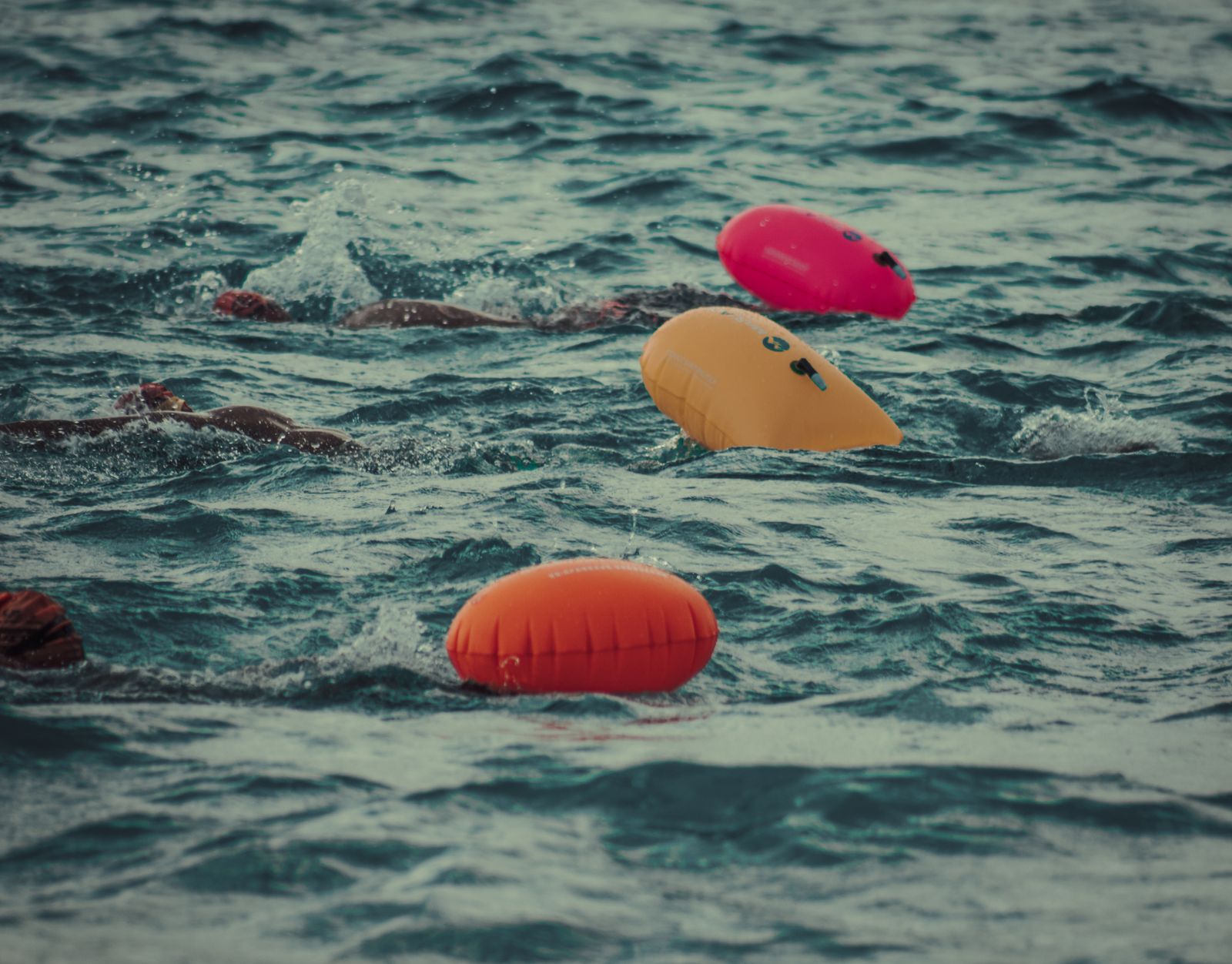
A tow float is not a lifejacket
A tow float makes you visible and gives you something to hold, but it will not keep an unconscious person afloat and it will not prevent drowning. The same goes for wetsuits. If you get into trouble, the RNLI's advice is Float to Live: lean back, ears in the water, and breathe until the panic passes. Read our full cold water swimming safety guide before your first dip.
Many organised open-water venues in the UK require a tow float before they will let you swim, which tells you how the people who run open water every day rate them. We compare the main designs — simple buoy versus dry-bag style — in our guide to the best tow floats.
Robe or towel: which should a beginner buy?
Decisive answer: if you will swim from autumn to spring, buy a waterproof changing robe; if you are a fair-weather dipper, a large quick-dry microfibre towel and a warm jumper are fine. The robe wins in cold months because it does three jobs at once — windproof shelter, changing privacy, and instant insulation while your hands still work.
Between the two, a microfibre changing poncho is the packable compromise: it gives you towel-drying and changing privacy in a fraction of the bulk, but it is not waterproof, so it suits summer and travel rather than a sleet-lashed January bank. We compare all the options in our best changing robes guide.
Do you need a wetsuit for wild swimming?
No — not to start, and in summer many UK wild swimmers never wear one. For short dips in the warmer months, "skins" (just a swimsuit) is normal, cheaper, and gives you the honest feedback of actually feeling the water temperature.
A wetsuit earns its place when one of these becomes true:
- You want to swim distance, not dip — the added buoyancy and warmth let you stay in and cover ground.
- You want to extend your season into spring and autumn without shortening every swim to minutes.
- You are training for an open-water event that expects one.
When that day comes, buy swim-specific: a Zone3 Agile is built for swimming, with flexible shoulders and buoyancy where you need it, where a general-purpose suit like the Two Bare Feet Thunderclap is cheaper and more durable but noticeably stiffer through the shoulders. The full breakdown is in our open-water wetsuit guide.
A wetsuit masks how cold you are getting
Neoprene delays the feeling of cold but does not stop your core cooling on a long swim — swimmers in wetsuits can and do become hypothermic. Set a time limit before you get in and stick to it, wetsuit or not, and get out while you still feel good.
Cold water swimming gear: what to add from October to May
From roughly October to May, UK open water is genuinely cold, and your hands, feet and head lose heat fastest. This tier is about protecting your extremities so you can still work zips and car keys when you get out — a real safety issue, because losing hand function is one of the first effects of cold immersion.
| Item | What it does | Our pick |
|---|---|---|
| Neoprene gloves | Slow the loss of hand function that cuts swims short and makes changing a battle | PAWHITS neoprene gloves |
| Neoprene socks or boots | Warm feet, plus grip and protection on frozen banks and shingle | CAPAS neoprene socks — or grab a gloves and boots combo |
| Neoprene hood | Takes the sting out of face-in swimming and ice-cream headaches in winter water | PAWHITS neoprene hood |
| Thermal swim vest | Core warmth without full-wetsuit commitment — ideal for dippers who want longer in the water | 3mm neoprene thermal vest |
| Buoyancy shorts | Warmth and lift for your hips and legs; pairs well with a vest as a "half wetsuit" | Zone3 neoprene shorts |
Buy in that order. Gloves and socks transform winter swimming for almost everyone; the hood matters most if you put your face in; the vest and shorts are for swimmers who have caught the bug and want more than a two-minute dip. In genuinely cold water, keep swims short regardless of kit — cold builds an invisible debt, and the golden rule is to get out before you think you need to. For the full head-to-toe picture across the seasons, see our what to wear guide.
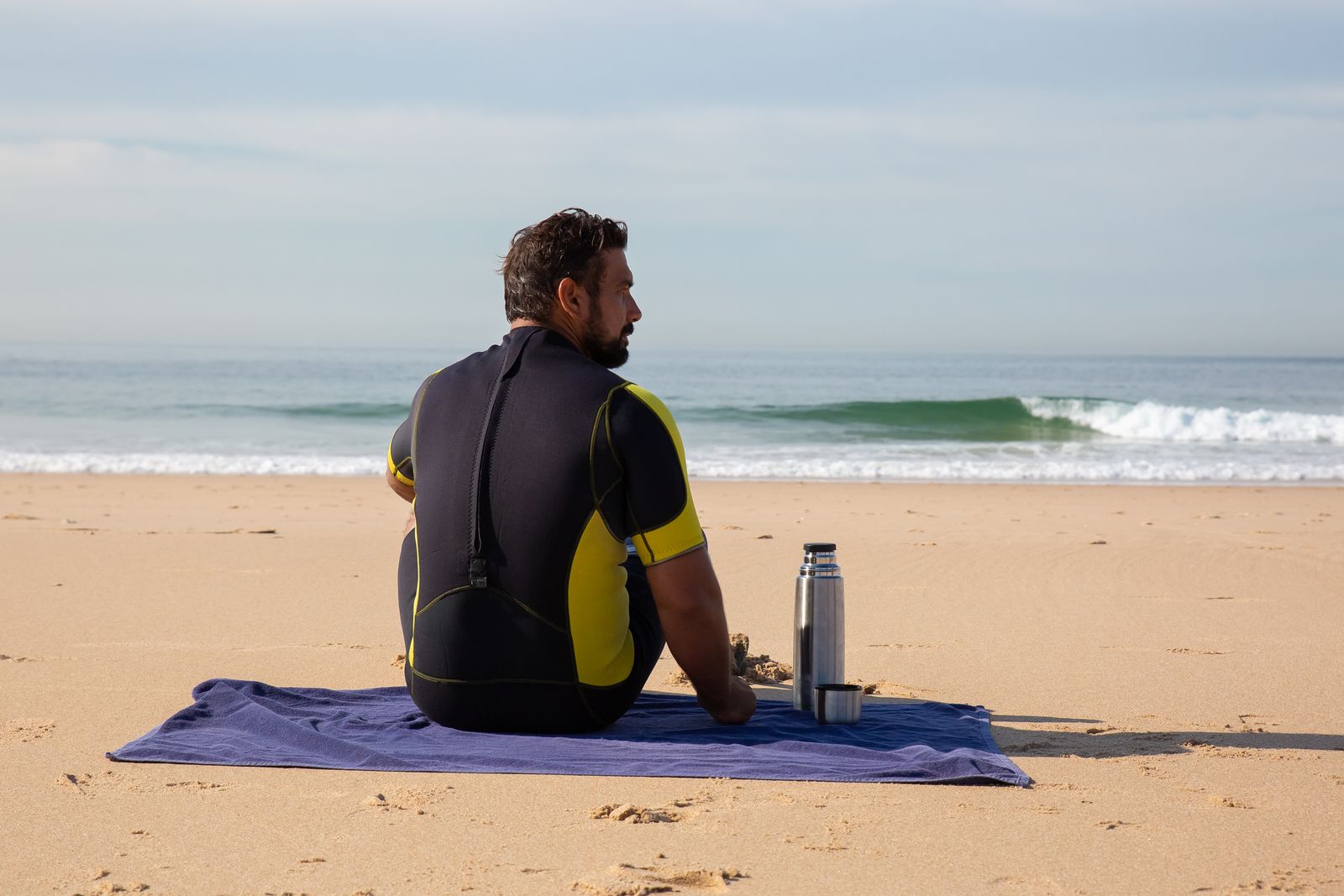
The afterdrop routine
Get out while you still feel good. Dress immediately, top half first, then hat and gloves. Warm up gradually with a hot drink — not a hot shower — and wait until the shivering stops before you drive. The Outdoor Swimming Society's advice on afterdrop is the reference here; our safety guide covers it in full.
Wild swimming accessories: which nice-to-haves are worth it?
Nothing here is essential, but several items are cheap enough and useful enough that most regular swimmers end up with them. Ranked honestly:
| Item | Verdict | Link |
|---|---|---|
| Insulated flask | Buy it. A hot non-alcoholic drink after a cold swim is part of a safe rewarm, not a treat | Thermos Stainless King 1.2L |
| Floating thermometer | Not a gadget — an education. It turns "that felt brutal" into a number, helps you set sensible time limits and tracks your acclimatisation through the seasons | Intex floating thermometer |
| Waterproof phone pouch | Worth it if you swim alone-adjacent (someone on the bank) or want your phone reachable for emergencies | YOSH IPX8 pouch |
| Ear plugs | Worth it for frequent cold-water swimmers — repeated cold water exposure irritates some swimmers' ears, and plugs are cheap insurance | Zoggs Aqua Plugz |
| Dry bag | Worth it for wet-kit-home duty and rainy banks | roll-top dry bag |
| Changing mat | Nice on muddy or stony banks; a folded towel does 80 percent of the job | Osprey changing mat |
| Nose clip | Personal preference — some swimmers swear by one, most never miss it | Speedo Liquid Comfort |
| Anti-fog spray | Only if your goggles fog constantly; try spit and a rinse first | Cressi anti-fog |
What should you skip when you are starting out?
The quiet rule of wild swimming kit: buy after three swims, not before the first. Three swims tell you whether you are a summer dipper, a winter head-up swimmer or a future distance obsessive — and each of those needs a different (and mostly short) shopping list. The overbuying traps, so you can dodge them:
- A wetsuit for summer dipping. If your plan is short warm-season swims, skip it entirely and revisit in autumn.
- A premium robe on day one. The Dryrobe Advance is the original and the benchmark, but a budget robe from Regatta or Osprey keeps you just as alive while you find out whether this is your thing.
- Two of anything. One cap, one float, one pair of gloves. Upgrade when something wears out, not before.
- Gadgets before basics. A thermometer is lovely, but not before you own a tow float.
The fast-start shopping list
If you want one decisive basket: hi-vis cap, tow float, budget changing robe, neoprene socks and a flask. That covers visibility, safe entry and a proper rewarm — everything else is optional until the water gets cold.
A sensible order to buy it all in
- Before your first swim: bright cap, tow float, warm layers you already own, hot drink in any flask.
- After a few swims: changing robe (or poncho for summer), quick-dry towel, dry bag.
- As autumn arrives: gloves, neoprene socks, hood; then a thermal vest or neoprene shorts if you keep going.
- Only if you want distance: a swim-specific wetsuit.
That order matches how the sport actually filters people: most of the joy of wild swimming needs almost none of the kit. Let the water tell you what to buy next.
Kit is not a substitute for judgement
No product on this page makes wild swimming safe. Cold water shock, currents and cold incapacitation are managed by behaviour, not gear: swim with others, know your exit before you get in, enter slowly, keep it short, and get out while you still feel good. If things go wrong, remember the RNLI's Float to Live — lean back, ears in, breathe — and call 999 for the Coastguard at the coast.
Water quality is part of the safety picture too. Before river swims especially, check recent sewage discharge alerts and designated bathing water status — our guide to UK water quality for swimmers explains how, and what to check on the day.
New to all of this? Start with our beginner's guide to wild swimming, then pick a calm, well-used first spot from the free UK wild swimming map.
Swimming through the winter?
Read our guide to starting winter swimming safely and the winter kit list (5mm gloves and boots, neoprene cap, the exit routine).
Frequently asked questions
What gear do you need for wild swimming in the UK?
A swimsuit, a brightly coloured swim cap, a tow float, warm clothes or a changing robe for afterwards, and footwear for rough entries. That covers visibility in the water and a fast rewarm on the bank — the two things that matter most for a beginner.
Do I need a wetsuit to wild swim?
No. In summer many UK swimmers dip in just a swimsuit. A wetsuit becomes worth buying when you want to swim longer distances, extend your season into colder months, or train for an open-water event — see our wetsuit guide when you get there.
Will a tow float keep me safe?
A tow float makes you far more visible and gives you something to rest a hand on, but it is not a lifejacket and will not prevent drowning. Pair it with the real safety habits: never swim alone, know your exit, and learn the RNLI's Float to Live technique.
Is a Dryrobe worth it, or will a cheap changing robe do?
For your first season, a budget waterproof robe does the same core job — wind protection and fast rewarming — for a fraction of the price. Upgrade to the benchmark Dryrobe Advance if you swim year-round and it becomes your most-used piece of kit. Full comparison in our changing robes guide.
What extra kit do I need for winter or cold water swimming?
Neoprene gloves, neoprene socks or boots and a hood are the winter trio, because hands, feet and head lose heat fastest and losing hand function is a genuine safety problem. Keep winter swims very short whatever you wear, and read our cold water safety guide first.
What should I pack for after a wild swim?
Warm layers in the order you will put them on (top half first), a woolly hat, a hot non-alcoholic drink in a flask, and a snack. Afterdrop means your core temperature can keep falling for 10-30 minutes after you get out, so dress immediately and rewarm gradually — no hot showers straight away, and do not drive until you have stopped shivering.
What wild swimming kit is a waste of money for beginners?
Buying a wetsuit before your first swim is the most common mistake — many people never need one. Skip hoods until winter, premium robes until you know the habit will stick, and duplicate gear generally. Buy after three swims, not before the first.
How much wild swimming gear do you need to buy to get started?
Very little. If you already own a swimsuit, a towel, warm layers and a flask, the only things you genuinely need to buy are a bright silicone swim cap and a tow float. A budget changing robe and neoprene socks are the next two, and both cost a fraction of the premium equivalents. Everything else — wetsuit, hood, gloves, thermometer — can wait until the water turns cold or you know the habit has stuck.