Best Wild Swimming Spots in Scotland: Lochs, Sea & Rivers
The short answer: Scotland's best wild swimming spots are Loch Morlich's sandy beach in the Cairngorms, Loch Lomond at Luss and Milarrochy Bay, Edinburgh's Portobello Beach and Wardie Bay, Gullane Bents in East Lothian, the Fairy Pools on Skye and the river pools of Glen Etive. Under the Land Reform (Scotland) Act 2003 you have a right of responsible access to most inland water — but deep lochs stay seriously cold below the surface even in July, so treat every Scottish swim as a cold-water swim.
Scotland is the easiest place in the UK to plan a wild swimming trip: the access law is on your side, the water is clean by UK standards, and the choice runs from city beaches to mountain lochs. This guide is built for planning — pick your region, pick your kind of swim, check the caveats, go. Every spot below is real and well documented; where details like parking and fees change, we say so and you should check before you travel. For the rest of the UK, see our best wild swimming spots in the UK guide, or browse the free Wild Swim Map to find a swimmer-added spot near you.
Scotland's best wild swims at a glance
| Best for | Spot | Why |
|---|---|---|
| Best all-round loch swim | Loch Morlich, Cairngorms | A designated bathing water monitored by SEPA in season, with a natural sandy beach and a gently shelving entry — as beginner-friendly as a Scottish loch gets |
| Best famous-name loch | Loch Lomond (Luss; Milarrochy Bay) | Beach entries on both shores of Scotland's biggest loch by surface area; Luss Bay is SEPA-monitored |
| Best city sea swim | Portobello Beach, Edinburgh | Long sandy SEPA-monitored beach with an active year-round swim community, on a bus route from the city centre |
| Best quieter sea swim | Wardie Bay and Gullane Bents | Wardie Bay is one of Scotland's newer designated bathing waters; Gullane offers big East Lothian sands and dunes |
| Best plunge pools | Fairy Pools (Skye); Glen Etive pools | Crystal-clear mountain river pools — breathtaking, very cold year-round, dip rather than swim |
Can you wild swim anywhere in Scotland?
Almost — and this is what makes Scotland different. The Land Reform (Scotland) Act 2003 gives everyone a right of responsible access to most land and inland water in Scotland, and that right explicitly includes activities like swimming. There is no English-style patchwork of riverbank permissions: lochs, rivers and the sea are, in general, yours to swim responsibly.
"Responsible" is doing real work in that sentence. The Scottish Outdoor Access Code sets out what it means in practice:
- Keep clear of gardens, farmyards and the immediate surroundings of buildings.
- Respect anglers, boat users and estate operations — give fishing beats a wide berth.
- Take every scrap of litter home and avoid disturbing wildlife, especially nesting birds on loch shores.
- Park considerately: never block gates, passing places or single-track roads. In the Highlands, bad parking is the fastest way to lose local goodwill.
- Follow local byelaws and reasonable requests from land managers — a handful of waters have specific restrictions, and some estates ask swimmers to avoid particular lochs.
A worked example: Loch an Eilein in Rothiemurchus is one of the most photographed lochs in the Cairngorms, but the estate has asked visitors not to swim there — so it does not make our list, however tempting the castle island looks. Respecting that kind of request is exactly what the access right depends on. For the full picture across the UK — including why England is so different — see our guide to whether wild swimming is legal in the UK.
Which lochs are best for wild swimming?
Loch Morlich, Cairngorms — the beginner-friendly one
Loch Morlich, a few miles from Aviemore in Glenmore Forest Park, is the obvious first Scottish loch swim. It is a designated bathing water monitored by SEPA during the bathing season — one of the few freshwater bathing waters in Scotland — and it has something almost no other Highland loch has: a genuine sandy beach with a gradual, walk-in entry, backed by pine forest with the Cairngorms behind.
There is a watersports centre on the loch and pay-and-display parking nearby, but both change seasonally, so check current details before you travel. It gets busy on warm weekends; early mornings are calmer in every sense.
Loch Lomond — Luss and Milarrochy Bay
Loch Lomond, in the Loch Lomond and The Trossachs National Park, is Britain's largest loch by surface area, and two entries stand out for swimmers:
- Luss, on the west shore: a picture-book village with a beach and pier, and Luss Bay is a SEPA-monitored designated bathing water. Village parking is paid and fills fast in summer — arrive early or come off-season.
- Milarrochy Bay, on the quieter east shore near Balmaha: a shingle-and-sand bay with wide views up the loch. Note that the east shore sits within the national park's seasonal camping management zones, so if you are planning a swim-camp trip, check the park's current permit rules first.
Loch Lomond is big water, and it has claimed lives. It is deep — well over 100 metres in its northern basin — the bed can shelve suddenly, and the water a few metres down stays cold all year. Wind builds real chop and boats use it heavily in summer, so stay close to shore, swim parallel to it rather than heading out, and be very visible.
Loch rule number one: the cold is hiding below you
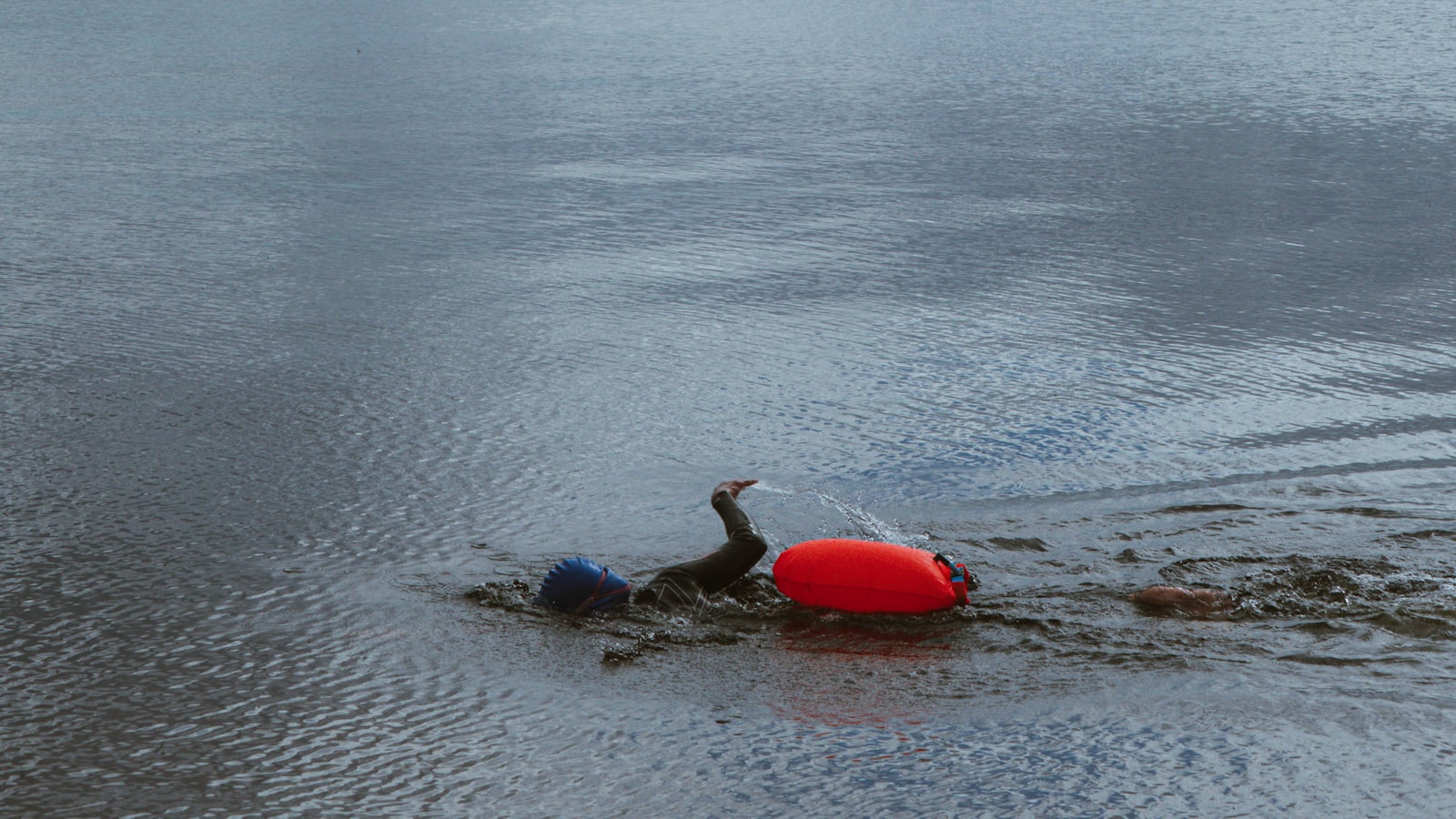
Scottish lochs are deep, glacial and cold at depth all year. A sun-warmed surface layer can sit over water in single figures Celsius just a few metres down, and many loch beaches shelve suddenly from paddling depth into deep water. Swim along the shore, not out into the middle, and read our cold water safety guide before your first loch swim.
Where can you sea swim in Scotland?
Portobello Beach, Edinburgh
Portobello is Edinburgh's seaside: a long, sandy, promenade-backed beach on the Firth of Forth, roughly half an hour by bus from the city centre. It is a SEPA-monitored designated bathing water and home to one of Scotland's most active year-round sea swimming communities — on a winter morning you will rarely have the water to yourself, which is exactly how sea swimming should be done.
The gently sloping sand makes entry easy, but this is the sea: check tide times, watch the wind, and never assume the Forth is calm just because the prom is. If you are new to salt water, start with our sea swimming for beginners guide.
Wardie Bay, Edinburgh
A couple of miles west along the coast near Granton, Wardie Bay is a small, sheltered sandy bay that became one of Scotland's newer designated bathing waters after a determined community campaign — a genuine swimmers-won-this story. It is quieter than Portobello and popular with regular dippers. Facilities are minimal and street parking is limited, so travel light and check locally.
Gullane Bents, East Lothian
Half an hour east of Edinburgh, Gullane Bents is a big sweep of golden East Lothian sand backed by grassy dunes, with wide views across the Firth of Forth. It is a designated bathing water and a favourite for a longer beach day; there is a car park above the beach (charges may apply in season — check before you travel). Like all open coast, conditions change with wind and tide: if in doubt, stay in your depth and swim with company.
Sea safety in one paragraph
None of these beaches has year-round lifeguards, so you are your own safety cover. Check tides before you go, stay well within your depth in any swell, and if you are ever caught by cold shock or a current, remember the RNLI's Float to Live: lean back, ears in, breathe, and only swim once you are calm. Full advice at rnli.org/safety.
Are the Fairy Pools and Glen Etive worth the trip?
Yes — as long as you go expecting a plunge, not a swim. Scotland's famous river pools are mountain-fed, which means startlingly clear water that stays cold in every month of the year.
Fairy Pools, Isle of Skye
The Fairy Pools in Glen Brittle are a chain of vivid blue-green pools and waterfalls beneath the Cuillin. They are one of Skye's biggest attractions, so expect crowds in summer and a paid car park with a walk of around twenty minutes to the first pools — check current parking arrangements before you travel, as the site is actively managed. The water is genuinely cold even in August: get in slowly, keep dips short, and save the underwater-arch photos for after your breathing settles.
River Etive pools, Glen Etive
Glen Etive, off Glen Coe, carries a single-track road down beside the River Etive, which drops through a series of clear granite pools and slides loved by kayakers and wild swimmers. It is far quieter than Skye but far more remote: parking is limited to passing-place laybys (never block them), there are no facilities at all, and phone signal is patchy. Go with company, tell someone your plan, and treat river levels with respect — these pools change character completely after rain, and moving water is stronger than it looks.
How cold is wild swimming in Scotland?
Cold enough that the season never really stops being a cold-water season. Even in high summer, much Scottish open water sits at or below the roughly 15C mark where the RNLI warns cold water shock becomes a real factor, and deep loch water barely warms at all.
Deep lochs also stratify: below the sun-warmed surface layer the temperature drops sharply, and the deep water stays cold all year. That combination — warm shallows, sudden shelving, cold depths — is exactly how strong, confident swimmers get into trouble on hot days. If cold shock hits, the RNLI's Float to Live advice applies inland just as much as at sea: lean back, ears in the water, relax and breathe until the gasping passes, then act. Practical planning rules:
- Assume cold water shock is possible on every swim. Enter slowly, let your breathing settle before you swim, and keep first visits short.
- Do not trust the surface. A warm top layer on a loch says nothing about the water at depth or the shaded river pool upstream. A cheap floating thermometer tells you what you are actually getting into.
- Plan for afterdrop. You will feel coldest 10-30 minutes after getting out, so have warm layers ready on the shore and get changed immediately.
- Never swim alone, and swim along the shore rather than across open water.
Is the water clean? SEPA, not the EA
Here is a detail that catches people out: Scottish bathing waters are classified and monitored by SEPA, the Scottish Environment Protection Agency — not the Environment Agency, which covers England only. SEPA samples designated bathing waters like Portobello, Wardie Bay, Gullane Bents, Loch Morlich and Luss Bay through the summer bathing season and publishes classifications and any pollution alerts on its website.
That also matters for our free UK map: the official Environment Agency bathing-water layer is England-only, so Scottish spots appear in our community layer, added and rated by swimmers. Before any Scottish swim, it is worth checking SEPA's bathing water pages directly — and after heavy rain, wait a day or two before swimming near towns or river mouths, wherever you are in the UK. Our guide to UK water quality for swimmers explains how to read the signals.
Which spot should you pick? A quick planner
| If you want... | Go to | Plan around |
|---|---|---|
| A first Scottish swim, easy entry | Loch Morlich | Summer weekend crowds; seasonal parking charges — check before you travel |
| A swim without a car | Portobello Beach | Tide times and wind on the Forth; buses from central Edinburgh |
| A quiet dip near the city | Wardie Bay | Minimal facilities, limited parking |
| A full beach day | Gullane Bents | Open-coast conditions; possible seasonal car park charges |
| Big-loch scenery | Luss or Milarrochy Bay, Loch Lomond | Busy summer parking at Luss; east-shore camping rules; boat traffic |
| A bucket-list plunge | Fairy Pools or Glen Etive | Crowds and paid parking on Skye; remoteness and river levels in Glen Etive |
What kit do you need for Scottish wild swimming?
Less than you might think, but the cold-water basics are non-negotiable here:
- Visibility: a hi-vis silicone cap plus a tow float — on remote lochs a dry-bag style tow float earns its place by keeping your phone and car key with you. Remember a tow float is a visibility aid you can rest on, not a lifejacket — it will not prevent drowning.
- Warmth in the water: for anything beyond a short dip, a swim-specific wetsuit like the Zone3 Agile adds warmth and buoyancy — though a wetsuit can mask how cold you are getting, so time limits still apply. Neoprene gloves and neoprene socks keep your extremities working, and boots make stony loch and river entries far less grim.
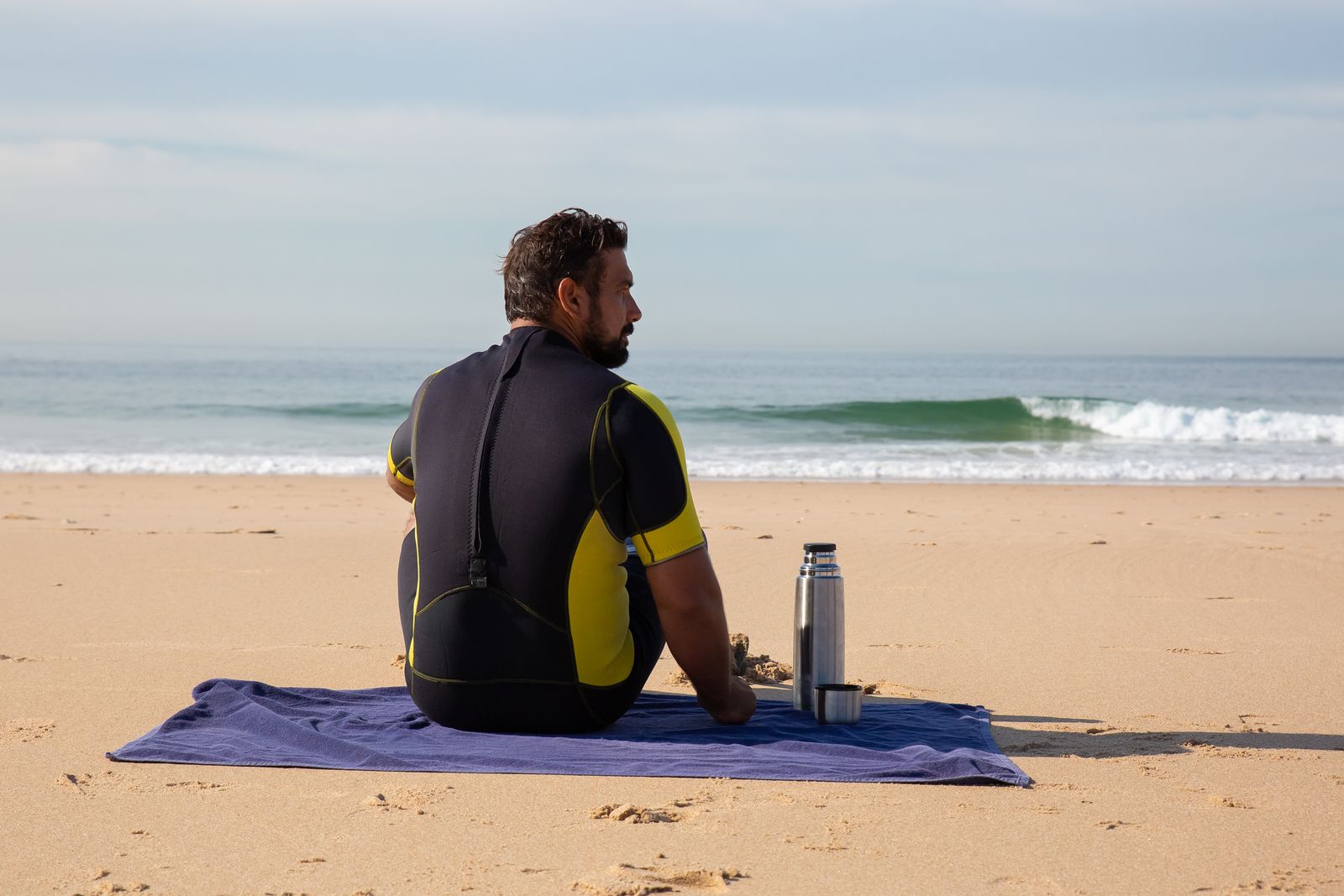
- Warmth after: a waterproof changing robe and a flask of something hot are the difference between a glowing drive home and thirty shivering minutes in a layby.
For the full run-through, see our wild swimming kit list and what to wear wild swimming. Completely new to open water? Start gentle with our beginners' guide before tackling a Highland loch.
Before you travel: the 60-second checklist
Check SEPA's bathing water page for your spot, check the weather and (for the coast) tide times, confirm parking arrangements locally, tell someone your plan, and pack warm layers for afterdrop. Scotland rewards swimmers who plan; the access right exists because swimmers keep earning it.
This guide is general information, not safety training or legal advice. Conditions, access and facilities change — check before you travel. In an emergency call 999 (or 112) and ask for the Coastguard at the coast or Fire and Rescue inland. For the survival technique every swimmer should know, see the RNLI's Float to Live.
Frequently asked questions
Is wild swimming legal in Scotland?
Yes. The Land Reform (Scotland) Act 2003 gives a right of responsible access to most land and inland water, including swimming, provided you follow the Scottish Outdoor Access Code — keep away from gardens and buildings, respect anglers and estate requests, park considerately and leave no trace. A small number of waters have local byelaws or restrictions, so respect any signs.
What is the best loch to swim in for beginners?
Loch Morlich near Aviemore is the standout first choice: it is a SEPA-monitored designated bathing water with a sandy beach and a gradual entry, which is rare for a Highland loch. Even there, enter slowly, stay close to shore and keep your first swims short — the water beyond the shallows is cold all year.
Can you swim in Loch Lomond?
Yes — Luss Bay on the west shore is a SEPA-monitored designated bathing water, and Milarrochy Bay near Balmaha is a popular quieter entry on the east shore. It is big, busy water though: watch for boats, be highly visible with a bright cap and tow float, and swim parallel to the shore rather than heading out into the loch.
Can you swim in Loch Ness?
You can, under Scotland's responsible access rights, and people do — but Loch Ness is enormous, very deep and cold at depth all year, with steep shelving close to shore. It is a spot for short, careful dips near a safe entry and exit with company, not casual open swims. Stay close to shore, keep it short and never swim alone.
How cold are Scottish lochs in summer?
Colder than they look. A sunny spell can warm the surface layer, but deep glacial lochs stay in single figures Celsius below that layer all year round, and many shores shelve suddenly into deep water. Treat every loch swim as a cold-water swim: slow entry, short duration, warm kit ready for afterdrop.
Are the Fairy Pools safe to swim in?
They are best treated as a short cold plunge rather than a swim. The pools are mountain-fed and cold in every month, the rocks can be slippery, and conditions change quickly after rain. Get in slowly, keep dips brief, never jump into water you have not checked for depth and go with company.
Who monitors bathing water quality in Scotland?
SEPA, the Scottish Environment Protection Agency — not the Environment Agency, which only covers England. SEPA samples Scotland's designated bathing waters, such as Portobello, Gullane Bents, Loch Morlich and Luss Bay, through the summer season and publishes classifications and pollution alerts on its website.