Best Open Water Swimming Wetsuits UK: A Buyer's Guide
The short answer: For most UK open-water swimmers, the best wetsuit is a swim-specific model with flexible shoulders and built-in buoyancy - our pick for most people is the Zone3 Agile, with the Zone3 Glide as the step-up for regular distance swimmers. If you dip, bob and play rather than swim front crawl, a general-purpose suit like the Two Bare Feet Thunderclap does the job for a fraction of the price.
UK open water is cold for most of the year. Sea temperatures around Britain typically peak in late summer and drop well below comfortable-skins territory from autumn to late spring, and inland lakes and rivers follow the same pattern. That is why the wetsuit question is usually not whether but which one - and buying the wrong type is the single most common (and most expensive) kit mistake new open-water swimmers make. The calmest way to think about it: buy for the swimmer you are, not the swimmer the advert imagines.
This guide gets you to the right suit fast: a clear verdict table, the real difference between swimming and surf wetsuits, fit and thickness explained, and honest alternatives if a full suit is overkill for how you actually swim. When you are ready to use it, find a spot near you on our free UK map of 600+ swimmer-added locations.
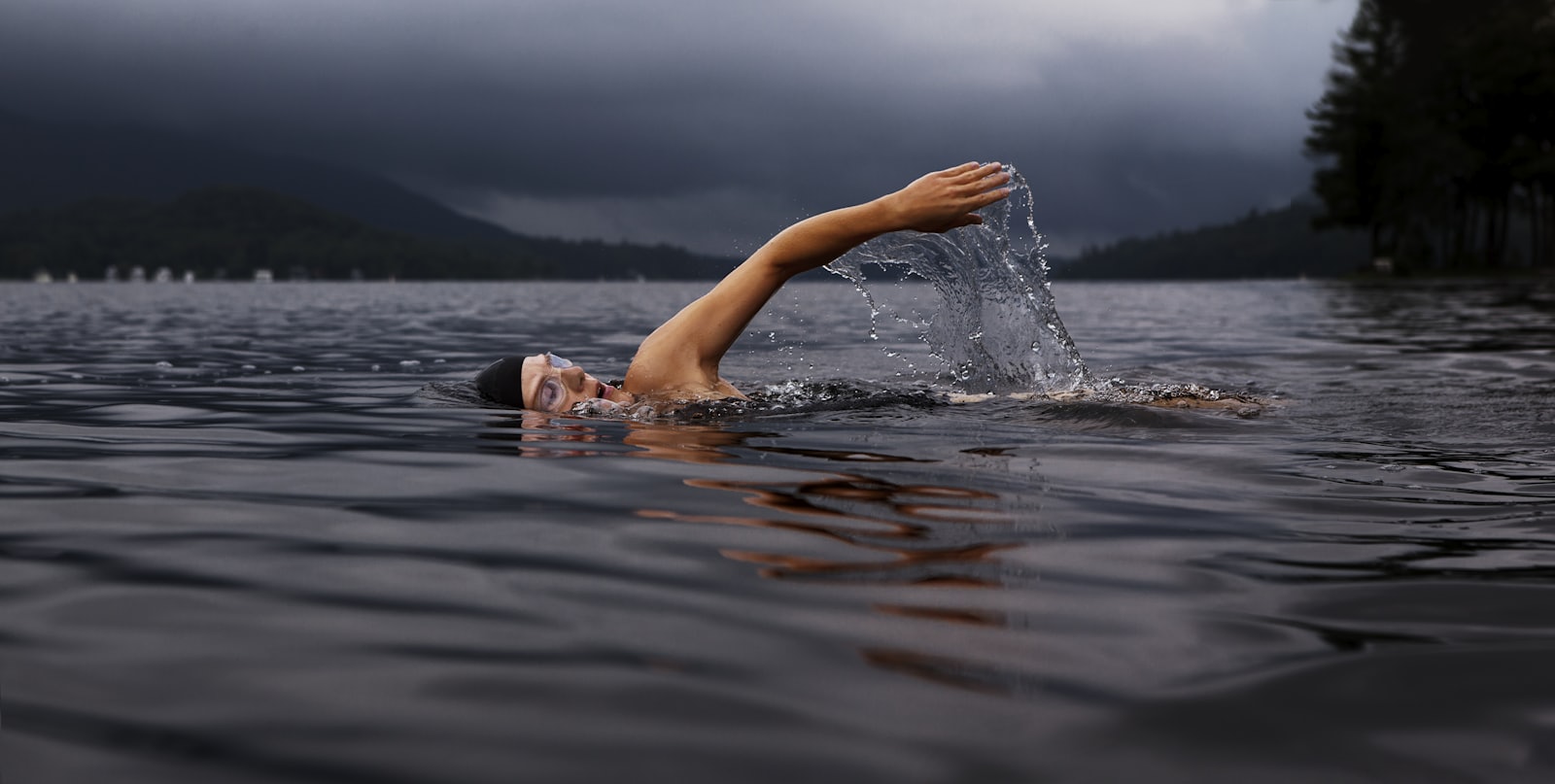
Which wetsuit should you buy? At a glance
| Verdict | Wetsuit | Why |
|---|---|---|
| Best for most UK open-water swimmers | Zone3 Agile | A swim-specific triathlon/open-water suit: flexible shoulders for front crawl and buoyancy where you need it, at the entry point of Zone3's swim range |
| Best step-up for regular swimmers | Zone3 Glide | Zone3's step-up open-water/triathlon model for swimmers doing longer, more frequent sessions |
| Best budget / general purpose | Two Bare Feet Thunderclap 2.5mm | A tough, back-zip 2.5mm all-rounder for dipping, paddling and casual swims at a fraction of the cost of a swim suit |
| Best if you dip rather than swim | 3mm thermal swim vest + neoprene buoyancy shorts | Core warmth and a little lift with none of the wrestling - ideal for short cold dips |
The one-question shortcut
Will you swim front crawl for more than about ten minutes at a time? If yes, buy a swim-specific wetsuit (Zone3 Agile or Glide) - shoulder flexibility is everything. If no, save your money: the Two Bare Feet Thunderclap or a thermal vest and neoprene shorts will serve you better.
Do you actually need a wetsuit for open water swimming in the UK?
Honest answer: not always. Plenty of experienced UK swimmers swim "skins" (just a costume) year-round, building cold tolerance gradually, and for short summer dips in a sheltered lake a wetsuit can be overkill. Our beginners' guide covers starting out without much kit at all.
But a wetsuit earns its place in three situations:
- You want to swim distance. Outside high summer, UK water is cold enough that most people cannot swim comfortably for long without neoprene. A wetsuit extends both your time in the water and your season.
- You swim at organised venues or events. Many booked open-water venues and triathlons require or strongly encourage wetsuits for much of the season - check the venue's own rules before you travel.
- You feel the cold. Cold tolerance varies hugely between people, and there are no prizes for shivering.
One thing a wetsuit does not do is make cold water safe. Cold water shock still hits your face and hands on entry, and neoprene can mask how cold your core is getting - more on that below, and in full in our cold water safety guide.
What is the difference between a swimming wetsuit and a surf wetsuit?
This is the decision that matters most, and the one most buyers get wrong. A surf or general-purpose wetsuit and a swim-specific wetsuit look similar on the hanger but are built for opposite jobs.
| Swim-specific (e.g. Zone3 Agile/Glide) | General/surf style (e.g. TBF Thunderclap) | |
|---|---|---|
| Built for | Horizontal front-crawl swimming | Standing, wading, paddling, playing in and around water |
| Shoulders | Thin, very stretchy panels - full stroke rotation without fighting the suit | Thicker and stiffer - arms tire quickly swimming crawl |
| Buoyancy | Panels placed to lift your hips and legs into a fast, flat position | Even warmth, no targeted lift |
| Outer surface | Smooth-skin coated neoprene - slips through the water, but delicate (fingernails can tear it) | Fabric-lined neoprene - slower through the water, much more durable |
| Price | Costs more | Noticeably cheaper |
| Buy if | You swim head-down, counting strokes | You dip, wade and splash - or share the suit with paddleboarding |
In one sentence: a swim wetsuit is built to move through water, a surf wetsuit is built to survive it. A swimming wetsuit is a flexibility-and-buoyancy tool first and a warmth tool second; a surf wetsuit is the reverse. Neither is "better" - they are different products for different swimmers.
The three wetsuits to choose between
Zone3 Agile - best for most people
The Zone3 Agile is a swim-specific triathlon and open-water wetsuit from one of the best-known names in UK open-water swimming, and it is the suit we would point most readers at. You get the two things that define a proper swimming wetsuit - shoulder flexibility for an unrestricted stroke, and buoyancy that lifts your legs into an efficient position - at the entry point of Zone3's swim range.
Buy it if: you are getting into open-water swimming properly - regular sessions, maybe a first event - and want one suit that will not need replacing the moment you improve.
Skip it if: you mainly dip and float. You would be paying for stroke performance you will not use, in a delicate smooth-skin suit that punishes careless handling.
Zone3 Glide - best step-up
The Zone3 Glide is the step-up open-water/triathlon model in the same family. The case for it is simple: if you already know you will swim week in, week out - training for distance, racing, or swimming through the shoulder seasons - buying the better suit once beats buying twice.
Buy it if: open-water swimming is already your sport, not an experiment. A step-up suit rewards swimmers who already swim; it cannot make you into one.
Skip it if: you are still finding out how often you will actually swim - the Agile covers you while you find out. The performance gap between no wetsuit and a swim-specific wetsuit is enormous; the gap between two swim-specific models in the same range is much smaller.
Two Bare Feet Thunderclap - best budget and general purpose
The Two Bare Feet Thunderclap is a different animal: a 2.5mm full-length, back-zip, general-purpose wetsuit. It is not built for front crawl - the shoulders are stiffer and there is no targeted buoyancy - but it costs a fraction of a swim suit, and its fabric-lined neoprene shrugs off the rocks, shingle and fingernails that would scar smooth-skin.
Buy it if: you want warmth for dips, wading, family swims or mixed use (kayaking, paddleboarding) on a budget, and stroke efficiency is irrelevant to you. Bear in mind that at 2.5mm it is a milder-conditions suit - in genuinely cold UK water you will want neoprene gloves and neoprene socks alongside it, and shorter swims.
Skip it if: you plan to swim any real distance - you will fight the shoulders on every stroke and wish you had bought the Agile.
Decisive verdict
Swimmers: Zone3 Agile, or the Glide if you are committed. Dippers and mixed-use: Two Bare Feet Thunderclap. There is no third answer worth agonising over at this stage.
How should an open water swimming wetsuit fit?
Fit matters more than brand. A swim wetsuit should fit like a firm handshake: snug everywhere, painful nowhere. It works by trapping a thin layer of water against your skin and letting your body warm it; a baggy suit constantly flushes that warm layer out and replaces it with cold, which defeats the whole point.
- Snug everywhere, painful nowhere. Firm compression on land, with no loose folds at the lower back, crotch or armpits.
- Test the shoulders. Windmill your arms before you commit. If the suit fights you dry, it will exhaust you wet.
- No gaps at neck, wrists and ankles - these are the flush points. The neck should seal without choking.
- Use the size chart, not your instincts. Wetsuit sizing is its own world; measure yourself and follow the manufacturer's chart. A correctly sized swim wetsuit feels alarmingly tight for the first few minutes on land and right in the water.
- Expect a wrestle. Getting a swim wetsuit on takes a few minutes of patient inching - work the legs up high first, get the crotch fully seated, then the torso and arms in stages, using fingertip pads, never nails, on smooth-skin neoprene.
What thickness wetsuit do you need for UK water?
Neoprene thickness is a trade-off: thicker means warmer and more buoyant but stiffer. That is why swim-specific suits vary panel thickness around the body - thicker, more buoyant material through the torso and legs, thin stretchy panels at the shoulders - and why World Triathlon competition rules cap wetsuit thickness at 5mm. General suits like the 2.5mm Thunderclap use a more uniform build that suits shorter, less horizontal time in the water.
As a rule of thumb for UK conditions: a swim-specific wetsuit covers roughly late spring to autumn for most people, while winter swimming is a different discipline - much shorter immersions, more experience, and extremities kit doing a surprising share of the work, because hands, feet and head lose heat fastest. That means neoprene gloves, neoprene socks and a hood before you think about a thicker suit. Our what to wear guide breaks this down season by season.
What if you do not want a full wetsuit? Alternatives for dippers
Here is the truth the wetsuit aisle will not tell you: if your swims are ten-minute cold dips rather than head-down distance, you may not want a full wetsuit at all. Many dippers find a full suit a faff to get on, a bigger faff to get off with cold hands, and warmer than they need.
- 3mm neoprene thermal vest: core warmth under or over a costume, none of the shoulder restriction, on and off in seconds.
- Zone3 neoprene buoyancy shorts: warmth and lift for your hips and legs - also a popular training tool for swimmers working on body position.
- Extremities first: gloves, neoprene socks and a hood often make a bigger difference to how long a cold dip feels comfortable than torso neoprene does.
Whichever route you take, budget for what happens after the swim too - afterdrop means your core keeps cooling once you are out, so a changing robe and a hot drink matter more than any wetsuit for beating the post-swim chill. See our changing robes guide and the full wild swimming gear and kit list.
A wetsuit is not a safety device
This section is the price of admission for everything above. Three facts every wetsuit owner should be able to recite:
- A wetsuit is not a lifejacket or buoyancy aid. It adds some flotation, but it will not keep your airway clear if you are in trouble - and neither will a tow float. If things go wrong, the RNLI's Float to Live technique - lean back, ears in the water, relax and breathe - is what buys you time.
- Cold water shock does not check what you are wearing. Your face and hands are still exposed, so enter slowly and let your breathing settle before you swim. The physiology is covered in our cold water safety guide.
- A wetsuit masks how cold you are getting. Insulated skin feels comfortable while your core keeps cooling, so wetsuit swimmers can drift past sensible limits without noticing - afterdrop and creeping hypothermia do not announce themselves. Decide your time limit before you get in and stick to it.
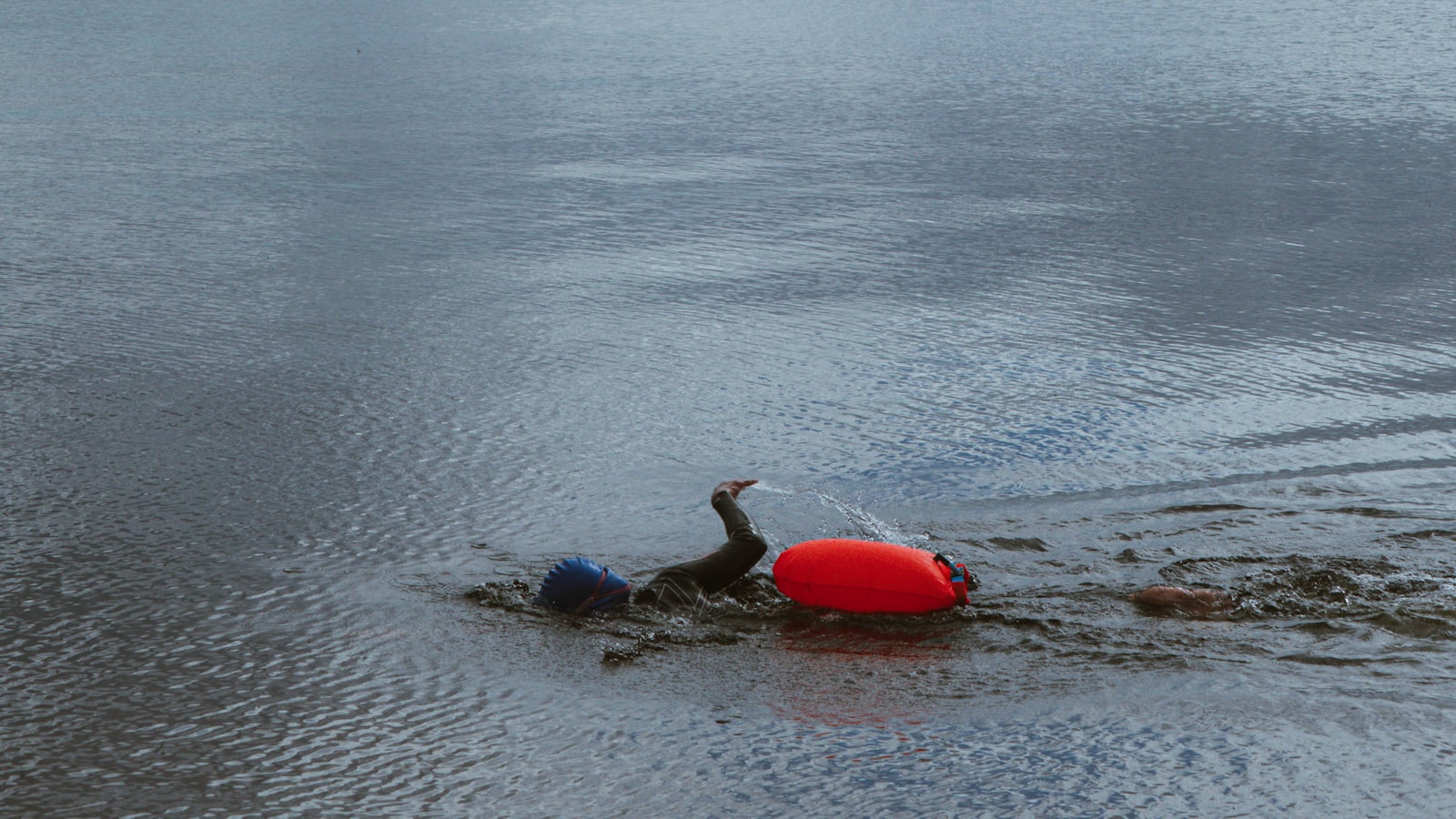
Pair any wetsuit with a hi-vis swim cap and a tow float for visibility - our tow float guide compares the options - never swim alone, and check conditions and water quality before you travel. The Outdoor Swimming Society is the other essential reference for UK swimmers, and if you are heading for the coast, start with our sea swimming for beginners guide.
How do you make a swimming wetsuit last?
Smooth-skin swim wetsuits are delicate, and most "faults" are really handling damage. Three habits protect the investment:
- Fingertips, never fingernails when pulling the suit on and off - nails leave crescent-shaped cuts in smooth-skin neoprene.
- Rinse in fresh water after every swim, especially after the sea - salt degrades neoprene and seams over time.
- Dry inside-out, out of direct sunlight, over a wide hanger or rail - sun and heat age neoprene fast.
Ready to put it to use? Open the free Wild Swim Map and find your nearest swim spot - then start shorter and shallower than you think you need to.
Frequently asked questions
What is the best wetsuit for open water swimming in the UK?
For most UK open-water swimmers, a swim-specific wetsuit with flexible shoulders and built-in buoyancy is the right choice - the Zone3 Agile is a strong pick for most people, with the Zone3 Glide as the step-up for regular distance swimmers. If you mainly dip rather than swim front crawl, a cheaper general-purpose suit like the Two Bare Feet Thunderclap does the job for far less.
Do I need a wetsuit for open water swimming in the UK?
Not always, but usually. Outside high summer, UK sea, lake and river temperatures are low enough that most people cannot swim for long without neoprene, and many organised venues and events require a wetsuit for much of the season. For short summer dips, or if you are gradually building cold tolerance, swimming skins is a valid choice - keep it short and follow cold-water safety advice.
What is the difference between a swimming wetsuit and a surf wetsuit?
A swimming wetsuit is built for horizontal front crawl: thin, very stretchy shoulder panels for a free stroke, buoyancy placed to lift your hips and legs, and a smooth-skin coating that slips through water but is delicate. A surf or general-purpose wetsuit prioritises warmth and durability, with stiffer shoulders and tough fabric-lined neoprene, so it is fine for dipping but tiring to swim distance in.
Can I use a triathlon wetsuit for wild swimming?
Yes - "triathlon" and "open water swimming" wetsuits are essentially the same product. Both the Zone3 Agile and Glide are designed exactly for swimming front crawl in open water. Just treat the smooth-skin surface gently around rocks, gravel and fingernails, and rinse the suit in fresh water after the sea.
How tight should an open water wetsuit be?
Snug like firm compression, with no loose folds at the lower back, armpits or crotch, and no gaps at the neck, wrists or ankles. It should feel surprisingly tight on land and right once you are in the water. Always measure yourself and use the manufacturer's size chart rather than guessing from clothing size.
What thickness wetsuit do I need for UK open water swimming?
Thicker neoprene is warmer and more buoyant but less flexible, which is why swim wetsuits vary panel thickness around the body and why World Triathlon competition rules cap thickness at 5mm. For UK conditions a full-length suit is the standard choice, extended in colder months with neoprene gloves, socks and a hood rather than a thicker suit.
Does a wetsuit keep you safe in cold water?
No. A wetsuit adds warmth and some flotation, but it is not a lifejacket, and cold water shock still affects your exposed face and hands on entry. It can also mask how cold your core is getting, tempting you to stay in too long. Enter slowly, set a time limit, swim with others, and know the RNLI's Float to Live technique.