Wild Swimming Near London: The Best Spots & Lidos
The short answer: Yes, London has genuine outdoor swimming in natural water, some of it year-round. The three Hampstead Heath swimming ponds and the Serpentine in Hyde Park are the historic heart of it, while West Reservoir in Hackney and the lake at Beckenham Place Park offer booked open-water sessions. Avoid the tidal Thames through central London: swimming there is prohibited along most of it, and water quality across the river is unreliable. Always check the venue's official site before travelling, as opening arrangements, charges and booking rules change.
London is a better wild swimming city than it has any right to be. Within the M25 you can swim in ponds people have bathed in for generations, a Royal Park lake with a Victorian-era swimming club, and a former drinking-water reservoir turned open-water venue.
This guide covers the real, well-established places to swim outdoors in and near London, grounded in the safety advice of the RNLI and the Outdoor Swimming Society. One caveat applies throughout: venues change their rules, prices and seasons, so check the venue's own site before you travel.
London wild swimming at a glance
| Question | Answer |
|---|---|
| Best all-round spot | The Hampstead Heath swimming ponds: natural, lifeguarded and open through the year, run by the City of London Corporation, with a charge to swim. Check the City of London website for current arrangements before travelling. |
| Historic lake swim | The Serpentine, Hyde Park: a public lido area in the summer season, plus the long-established Serpentine Swimming Club, which swims early mornings. |
| Structured open-water training | West Reservoir, Hackney: booked sessions on fresh water, with wetsuit rules that vary by season. |
| South-east London | Beckenham Place Park lake, Lewisham: booked swimming sessions in a landscaped park lake. |
| Best day trip | Frensham Great Pond, Surrey: a sandy-shored designated bathing water about an hour from London. |
| The Thames? | Not in central London. Swimming in most of the tidal Thames is prohibited; even upstream, take serious care and check water quality first. |
Can you really wild swim in London?
Yes, though most of it is managed rather than truly wild: lifeguarded ponds, booked reservoir sessions and lido-style lake swimming. Purists might quibble, but you are still in cold, open, natural water, and for a first taste of open-water swimming that supervision is a genuine advantage.
It matters legally too. In England there is no general right to swim in inland water, and many urban waters, including the Royal Parks, are covered by byelaws. Managed venues remove that uncertainty. For the full picture, see our guide to whether wild swimming is legal in the UK.
One more reality check: this is cold-water swimming for most of the year. UK open water sits below 15C for much of the year, cold enough to trigger cold water shock. If you are new to that, read our cold water swimming safety guide before your first dip.
Hampstead Heath swimming ponds: London's year-round classic
The Hampstead Heath bathing ponds in north London are the closest thing the capital has to a wild swimming institution. There are three swimming ponds on the Heath: the Kenwood Ladies' Pond, the Highgate Men's Pond and the Hampstead Mixed Pond. They are natural, tree-fringed ponds, and people have swum in them for generations.
The ponds are managed by the City of London Corporation, which runs the Heath. Key things to know, all worth confirming on the City of London website before you go:
- Open through the year, including winter, which makes them a rarity: genuinely cold, natural winter swimming inside a capital city. Hours change with the season.
- Lifeguarded during opening hours.
- There is a charge to swim. The ponds moved from voluntary donations to compulsory charges some years ago. Check current prices on the official site rather than trusting older articles.
- Expect queues or booking at busy times. On hot summer days demand is enormous, and the venue has used booking or capacity limits in busy periods. Check before travelling.
- Winter swimming is for the experienced. The ponds get seriously cold. Build up gradually through autumn rather than starting in January.
Which pond?
The Kenwood Ladies' Pond is women-only and the Highgate Men's Pond is men-only, both with deep, committed swimming in unheated natural water. The Mixed Pond is open to everyone but has historically had a more limited season. Rules and seasons for each pond differ and do change, so check the City of London pages for the specific pond you plan to visit.
Serpentine Lido, Hyde Park: swim in a Royal Park
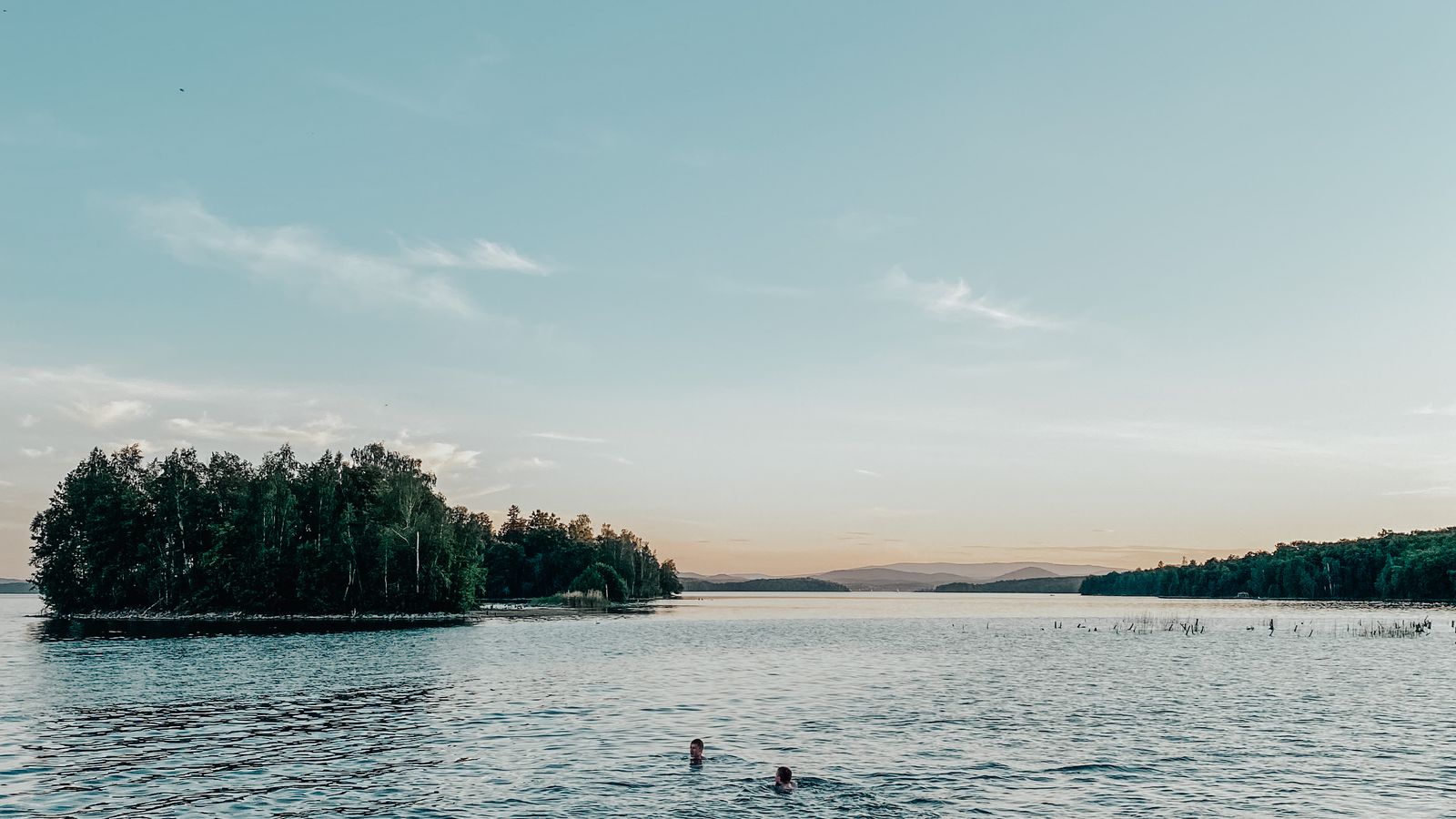
The Serpentine is the recreational lake at the heart of Hyde Park, with a roped-off lido section used for public swimming for around a century. It hosted the open-water swimming at the London 2012 Olympics.
There are two distinct ways to swim here:
- The public lido operates in the summer season, typically with an entry charge, changing facilities and a supervised swimming area. Season dates and prices change, so check the current Serpentine Lido information before you travel.
- The Serpentine Swimming Club, one of the oldest swimming clubs in Britain, founded in 1864, swims early in the morning year-round under a long-standing arrangement with the park. The club is famous for its Christmas Day race for the Peter Pan Cup. Winter swimming here is via the club, not casual turn-up-and-swim; see the club's own site for how membership and morning swims work.
Outside the lido area and the club's arrangements, swimming in the Serpentine is not permitted. Royal Parks regulations apply across Hyde Park, so stick to the designated swimming and the posted rules.
West Reservoir, Hackney: open-water sessions in north-east London
West Reservoir in Stoke Newington is a former drinking-water reservoir now used as an open-water swimming and watersports centre. It is a favourite with triathletes and distance swimmers because it offers something the ponds do not: marked courses on a big body of fresh water, minutes from the Overground.
Swimming here is by booked session rather than casual entry. A few honest notes, all subject to change and worth verifying with the operator before you book:
- Sessions are booked in advance, usually with a briefing or induction expectation for new swimmers.
- Wetsuit rules vary by season. Venues like this commonly require wetsuits when the water is cold and relax the rule in warmer months, with "skins" swimming subject to conditions and the operator's judgement. Check the current policy for the day you want to swim.
- Winter arrangements change season to season. Cold-water swimming has run here in some form, but check before travelling.
Beckenham Place Park: south-east London's swimming lake
The lake at Beckenham Place Park, in the borough of Lewisham, opened for swimming in 2019 as part of the park's restoration, and it has quickly become the open-water hub for south-east London.
As at West Reservoir, swimming is through booked sessions with the on-site operator rather than free bathing, and session types, prices and seasonal arrangements have evolved since it opened. Check the current booking information before you go, and expect wetsuit guidance to vary with water temperature.
Should you swim in the Thames?
For most people, in most of London: no.
The Thames through central London is tidal, fast, busy with commercial traffic and cold enough to kill even in summer. Swimming in most of the tidal river is prohibited by Port of London Authority rules precisely because people have died attempting it. Currents around bridges and moorings are powerful and unpredictable, and this is one of the clearest "do not" lines in UK wild swimming.
Above Teddington Lock the river becomes non-tidal, and there is a long tradition of river swimming on the upper Thames further out of London. Even there, treat it as a serious open-water swim, not a paddle:
- Water quality is the big unknown. Rivers in and around London receive discharges from storm overflows, and quality drops sharply after heavy rain. Our guide to whether UK water is safe to swim in explains how to check before you get in.
- Boat traffic is constant in season. A bright tow float and a hi-vis cap are essential for visibility, though neither is a lifejacket and neither will keep an unconscious swimmer afloat.
- Locks, weirs and moorings create hazards that are not obvious from the bank. Swim with people who know the stretch.
The safe version of a Thames swim
If the river appeals, join an organised, safety-marshalled event or a local group that swims a known stretch of the non-tidal Thames, rather than improvising alone. The Outdoor Swimming Society's guidance on river swimming is the right starting point, and Float to Live, the RNLI's survival technique, applies to rivers as much as the sea.
The best day trip: Frensham Great Pond, Surrey
When London swimmers want sand between their toes without driving to the coast, Frensham Great Pond near Farnham in Surrey is the classic escape. It is a large, shallow-edged heathland lake with a sandy beach, and its bathing area has been a designated bathing water, which means the Environment Agency monitors water quality there during the bathing season.
That designation matters: designated bathing waters are the only inland spots with official seasonal water-quality testing, which makes them a sensible choice for families and newer swimmers. Even so, check the latest classification, any advisory notices and parking arrangements before you travel; the site can fill up and close to cars on hot summer days, blue-green algae blooms have suspended swimming in some summers, and seasonal swimming zones have applied in recent years. The ranger or council pages will have the current rules.
Beyond Frensham, the honest advice is to use a map rather than a listicle: the countryside within an hour or two of London hides plenty of swimmable water, and conditions change. Browse the free Wild Swim Map to find swimmer-logged spots around the capital and check what other swimmers say about access. If your day trip ends at the coast, read our sea swimming for beginners guide first.
Booking or turning up: how to plan a London swim
London's venues split broadly into two camps, and knowing which is which saves a wasted journey. Entry systems do change, so treat this as the general pattern and confirm on the venue's site on the day.
| Style | Venues | How to plan |
|---|---|---|
| Broadly turn-up | Hampstead Heath Ponds, Serpentine Lido (in season), Frensham Great Pond | Check the venue is open that day, then go — early on hot weekends to beat queues and parking. Booking or capacity systems appear at busy times. |
| Booked sessions | West Reservoir, Beckenham Place Park | Book online in advance; popular slots can go fast in summer, so book when the timetable releases. |
By season, the honest picture looks like this:
- High summer: everything on this list is typically in play. Book the booked venues early, arrive early at the turn-up ones.
- Spring and autumn: Hampstead and the booked venues are your reliable options; the Serpentine's public lido and Frensham wind down outside summer.
- Winter: Hampstead's ponds stay open for hardy swimmers, the Serpentine is club-only, and West Reservoir's cold-season programme varies by year — check before travelling, and treat winter water with the respect it demands.
What should you bring to swim outdoors in London?
London venues keep the kit demands low, which is part of their charm. A realistic starting list:
- Swimwear, towel and a warm change of clothes. Even in summer you will feel the cold after a fresh-water swim.
- A hi-vis silicone cap for visibility at open-water venues; many require one. A bright Zone3 cap does the job.
- A tow float for reservoir and lake sessions, and non-negotiable for any river swimming. Remember what it is for: visibility and something to rest on, not a lifesaving device. Our tow float guide compares the options.
- Something warm for afterwards. A waterproof changing robe is the winter-swimmer standard for beating afterdrop; a lightweight microfibre poncho packs far smaller for summer commute-and-dip swims, though it is not waterproof.
- A hot drink for the bank. An insulated flask on the jetty is half the ritual from October onwards.
- A wetsuit, sometimes. Booked venues may require one in colder months; the ponds' regulars mostly swim without. Check the venue's rule, and remember a wetsuit changes how cold you feel, not how cold you are getting.
For the full tiered breakdown of what is essential and what can wait, see our wild swimming kit list and our comparison of the best changing robes.
How cold is London's open water, and what does that mean?
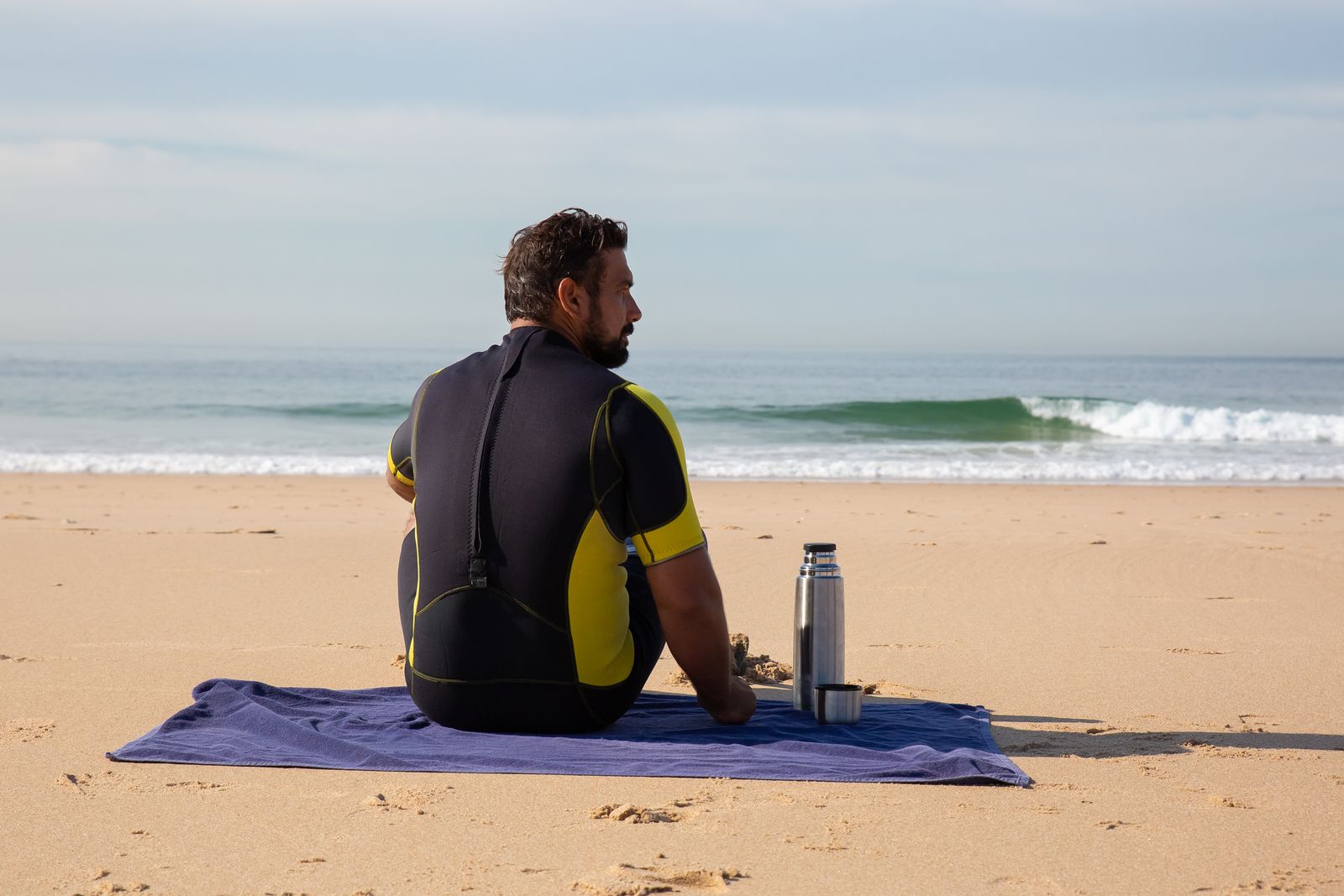
Unheated London ponds, lakes and reservoirs broadly follow the UK pattern: pleasant for a few high-summer weeks, cold in spring and autumn, and seriously cold in winter. Below roughly 15C, sudden immersion can trigger cold water shock, an involuntary gasp and one to three minutes of uncontrolled breathing that the RNLI identifies as the biggest killer in cold water, well before hypothermia.
The rules that keep managed-venue swimming sensible are the same ones the RNLI and Outdoor Swimming Society teach everywhere: enter slowly and let your breathing settle before you swim, keep winter swims short, get out before you are cold rather than when you are, and if you are ever in trouble, Float to Live: lean back, ears in the water, and breathe until the panic passes. Lifeguards and safety crews are a backstop, not a substitute for those habits.
If you are brand new to all this, start with our wild swimming for beginners guide, pick a lifeguarded or marshalled venue from this page, and go with someone rather than alone.
Before you travel: the 60-second check
Venue open today? Booking needed? Current price? Wetsuit rule? Weather and, for rivers, recent heavy rain? Five quick questions against the venue's official site and a water-quality check will save you a wasted journey, and occasionally a dangerous one.
London proves you do not need mountains or a coastline to swim wild — and once you have watched a heron from water level before work, the commute never looks quite the same. Find these spots and hundreds more on our free UK wild swimming map, and check the venue's site before every visit.
Frequently asked questions
Can you swim in the Thames in central London?
No. Swimming in most of the tidal Thames is prohibited under Port of London Authority rules, and the currents, cold and boat traffic make it genuinely lethal. Above Teddington Lock the non-tidal river has a swimming tradition, but check water quality, use a tow float, and preferably join an organised group or event.
Are the Hampstead Heath ponds open in winter?
The Hampstead Heath swimming ponds have a long tradition of year-round swimming, including winter, with lifeguards on duty during opening hours. Hours, pond availability and charges change seasonally, so check the City of London Corporation's Hampstead Heath pages before travelling. Winter water is seriously cold, so build up gradually through autumn rather than starting cold in January.
Do you need a wetsuit to swim outdoors in London?
It depends on the venue and season. Booked open-water venues such as West Reservoir commonly require wetsuits when the water is cold and relax the rule in summer, while many Hampstead ponds regulars swim skins year-round. Check the specific venue's current policy, and remember a wetsuit reduces how cold you feel without stopping you from cooling down.
Is wild swimming in London free?
Mostly no. The established venues, including the Hampstead Heath ponds, Serpentine Lido, West Reservoir and Beckenham Place Park, all charge for swimming or require booked paid sessions. Prices change, so check each venue's official site for current fees rather than relying on older articles.
What is the best wild swimming spot near London for beginners?
A lifeguarded or supervised venue is the right start: the Hampstead Heath ponds in season, the Serpentine Lido in summer, or an introductory booked session at West Reservoir or Beckenham Place Park. For a day trip, Frensham Great Pond in Surrey has a sandy, shallow-shelving designated bathing area. Go with someone, enter slowly, and keep the first swims short.
When can the public swim in the Serpentine?
The Serpentine Lido in Hyde Park opens a supervised public swimming area during the summer season, with dates and prices set each year, so check the current lido information before visiting. Outside that, the Serpentine Swimming Club, founded in 1864, swims early mornings year-round under its own arrangement with the park, including its famous Christmas Day Peter Pan Cup race. Swimming elsewhere in the lake is not permitted.
Is the water quality safe at London swimming spots?
Managed venues monitor their own water, and designated bathing waters such as Frensham Great Pond get official seasonal testing. Rivers are the risky case: storm overflow discharges mean quality can crash after heavy rain, so avoid river swimming for a couple of days after a downpour and check recent discharge and quality data first. Supervised ponds, lakes and reservoirs are the more predictable choice.